 how-to
How to Find Reliable Emergency Locksmith Services
Table of Contents
- Verify Professional Locksmith Credentials Before You Call
- Research Locksmiths and Read Reviews Before an Emergency
- How to Avoid Locksmith Scams and Red Flags
- What to Expect from Automotive Locksmith Services
- Steps to Find a Reliable Emergency Locksmith When You Need Help
- Prepare Before an Emergency Lockout Happens
- Frequently Asked Questions
Last Updated: August 30, 2026
Verify Professional Locksmith Credentials Before You Call
When you're locked out of your vehicle or need a spare key, finding a reliable emergency locksmith matters more than you might think. The difference between a legitimate professional and a scammer can be significant, not just in terms of cost, but in whether your car's security system stays intact. Before you call anyone, understanding what credentials and qualifications to look for will protect you.
A trustworthy locksmith should be able to prove their legitimacy through verifiable credentials. This is the foundation of any safe locksmith relationship. At ADAM Keys & Remote, we understand that vehicle owners need confidence in whoever they're trusting with their car access and security systems.
Check for Licensing and Insurance
Professional locksmiths operating in your area should hold a valid business license. This isn't just a formality, it means the business has registered with local authorities and agreed to operate under established rules. You can verify licensing by checking your state's business registration database or contacting your local business licensing office.
Insurance is equally important. A licensed and insured locksmith carries liability coverage that protects you if something goes wrong during the service. Ask the locksmith directly about their insurance before work begins. A legitimate business will provide proof without hesitation. If someone refuses to discuss insurance or claims they don't carry it, that's a red flag.
Many professional locksmiths also carry bonding, which provides additional financial protection. This demonstrates they've passed background checks and meet industry standards. When you call for service, ask whether the locksmith is bonded. Reputable providers will mention this as part of their qualifications.
Confirm Physical Business Address and Local Presence
A business with a real, verifiable location is more accountable than one operating only through a phone number. Before calling, search for the locksmith's physical address online. Verify it's a legitimate business location, not a residential address or a mail-forwarding service.
Visit the address if possible, or look for photos of the storefront or office online. Established locksmiths often have websites showing their actual location. If you can't find any physical address, or if the address doesn't match what they tell you on the phone, proceed with caution.
Local presence matters because it creates accountability. A locksmith with roots in your community has a reputation to protect. Check how long the business has been operating at that location. New businesses aren't automatically suspicious, but a track record in your area is a positive sign.
Research Locksmiths and Read Reviews Before an Emergency
The worst time to search for a locksmith is when you're locked out of your car at midnight. By then, you're stressed and vulnerable to making poor choices. Research and vetting happen best when you have time and perspective.
Read Online Reviews and Testimonials
Online reviews give you real feedback from people who've actually used the service. Check multiple platforms: Google Business, Yelp, the Better Business Bureau, and the locksmith's own website. Look for patterns in the reviews, not just the overall rating.
Pay attention to what customers say about specific services. If you need a smart key programmed, look for reviews mentioning that exact service. Someone's experience with a simple key duplication might not tell you much about how they handle complex automotive security systems.
Be skeptical of reviews that sound generic or overly promotional. Authentic reviews usually mention specific details: "They came in 20 minutes," "The technician knew exactly how to program my 2019 Honda," or "Professional and respectful throughout." These concrete details carry more weight than "Great service!" with no specifics.
Also watch for patterns in negative reviews. A single complaint might be an outlier. Multiple complaints about the same issue, like arriving late or charging more than quoted, suggest a real problem.
Ask for Referrals from Friends and Family
Personal recommendations carry weight because they come from people you trust. Ask friends, family, and coworkers whether they've used a locksmith and what their experience was. Ask specifically about automotive services if that's what you need.
Your mechanic or car dealership might also have referrals. They work with locksmiths regularly and can point you toward professionals they trust. These referrals often come with context: "They're reliable for routine key work, but if you need something complex, call this other place."
When someone refers a locksmith, ask follow-up questions. How long ago did they use the service? What exactly did the locksmith do? Would they use them again? These details help you understand whether the referral applies to your situation.
How to Avoid Locksmith Scams and Red Flags
Locksmith scams are surprisingly common because the service is often needed urgently, when people aren't thinking clearly. Knowing what to watch for protects you from overpaying or worse, having your vehicle damaged or your security compromised.
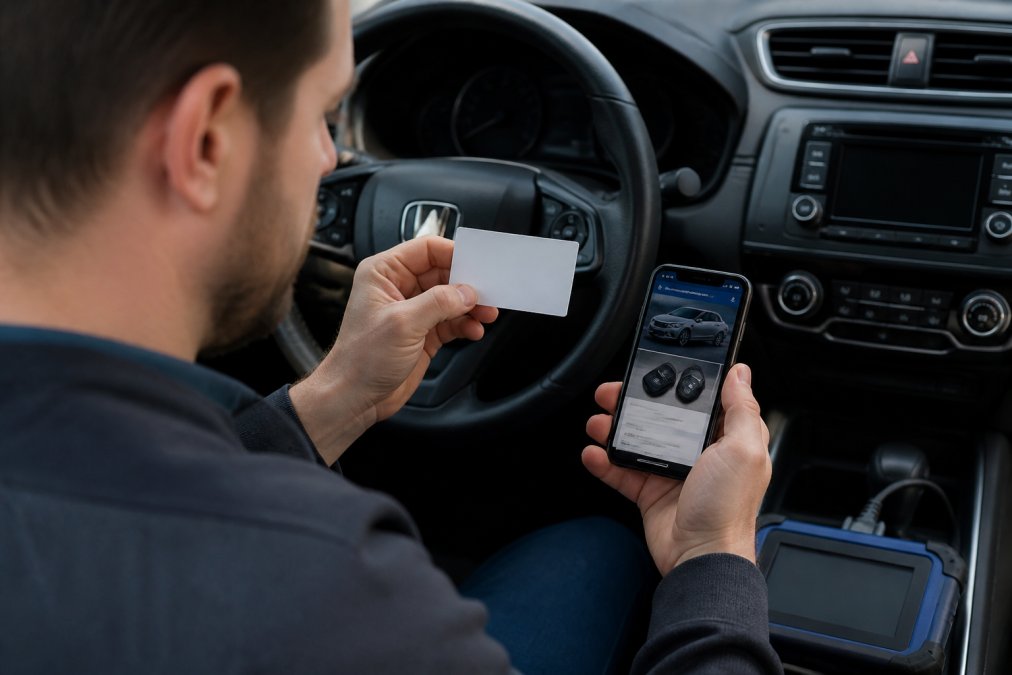
Red Flags That Signal a Locksmith Scam
Several warning signs should make you hesitant to hire someone. A locksmith who quotes a price over the phone without asking questions is suspicious. Legitimate locksmiths need to know details about your vehicle, the type of key, and the specific problem before giving an estimate. Vague pricing is often a setup for surprise charges.
Be wary of locksmiths who arrive in unmarked vehicles with no company branding. Professional locksmiths drive vehicles with their business name, logo, and contact information. This is basic marketing and accountability.
Pressure to pay cash only, especially before work is complete, is a major red flag. Established businesses accept multiple payment methods and often process payment after the job is done. If someone insists on cash upfront with no receipt, walk away.
Locksmiths who claim they can open any car instantly, or guarantee success without assessing the situation, are overselling. Legitimate professionals will examine your vehicle, ask questions, and explain what they'll do before starting work.
Another warning sign: a locksmith who tries to sell you services you didn't ask for. If you called for a key replacement and they're suddenly pushing you to upgrade your locks or install new security systems, be skeptical. This is often a tactic to inflate the bill.
Spot the Difference Between Local Professionals and Call Centers
Some locksmith phone numbers connect you to call centers that dispatch jobs to whoever is available, rather than a specific business. Call centers create distance between you and the actual service provider, making accountability harder.
When you call, ask directly: "Are you the business owner?" or "Will the same person I'm talking to be coming to help me?" Local professionals can usually answer this clearly. If you're transferred multiple times or the person on the phone seems disconnected from the actual service, you're likely dealing with a call center.
Call centers often advertise with generic names and multiple phone numbers. They may not have a physical location you can verify. Local professionals usually have one main number and one clear business identity.
What to Expect from Automotive Locksmith Services
Understanding what professional automotive locksmith services involve helps you evaluate whether a provider is legitimate and competent. This knowledge also helps you communicate clearly about what you need.
Understanding Response Times and Service Call Fees
Response time varies depending on demand and location. During peak hours or emergencies, wait times may be longer. A locksmith who promises to arrive in 10 minutes, no matter when you call, isn't being realistic.
Service call fees are standard. Most locksmiths charge a fee just to come assess your situation and provide an estimate. This fee sometimes applies toward the total cost if you proceed with the service. Ask about this when you call, understand whether the assessment fee is separate or credited.
The total cost depends on the specific work: a simple key duplication costs less than programming a smart key, which costs less than replacing an entire lock system. Get a written estimate before work begins so there are no surprises.
On-Site Assessment and Identification Verification
A professional locksmith will examine your vehicle and the specific problem before quoting a final price. They'll ask questions: What year and model is your car? What type of key do you need? Is the lock damaged or is the key missing?
Legitimate locksmiths will ask for identification to verify you own or have permission to access the vehicle. This protects them legally and protects you by ensuring they're not helping someone steal a car. Have your driver's license ready.
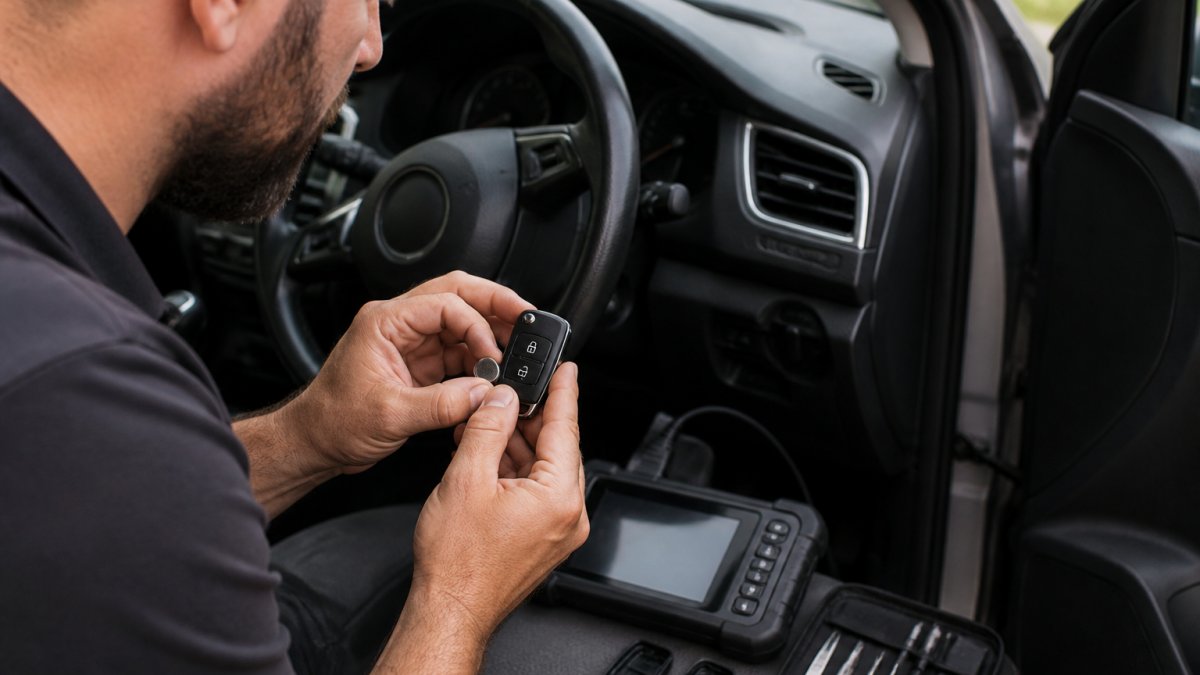
The locksmith should explain what they're doing and why. If they're programming a smart key, they might explain that they're connecting to your vehicle's computer system. This transparency builds confidence in their work.
Steps to Find a Reliable Emergency Locksmith When You Need Help
When an emergency happens, having a process to follow keeps you calm and helps you make good decisions quickly.
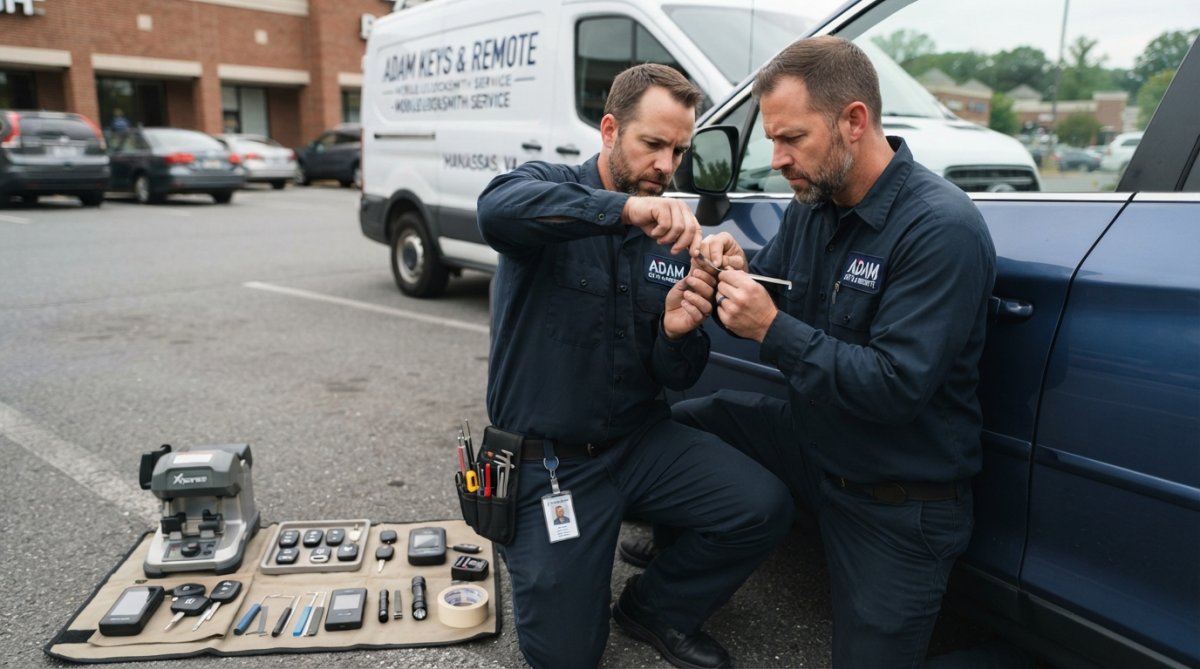
Step 1: Gather Your Vehicle Information
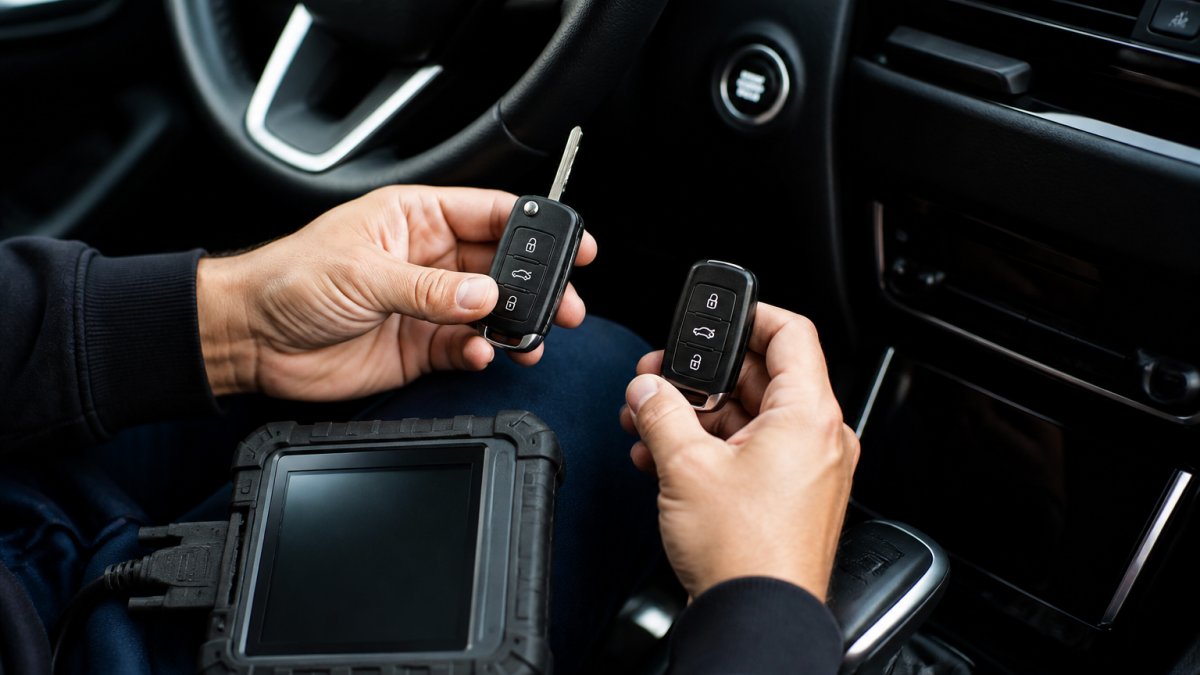
Before you call anyone, collect the information a locksmith will need. Have your vehicle's year, make, and model ready. Know what type of key you need, is it a traditional metal key, a smart key with buttons, or a keyless entry fob?
If you've lost all your keys, say so upfront. This affects the service and sometimes the approach. If you have one key but need a spare, that's different from replacing a damaged key.
Have your vehicle identification number (VIN) available. It's printed on your registration and visible on the dashboard. Some locksmiths use this to access information about your vehicle's security system.
Step 2: Call and Ask the Right Questions
When you contact a locksmith, ask specific questions before committing. "Are you licensed and insured?" is the first question. Listen to how they answer, do they provide details, or do they seem evasive?
Ask about their experience with your specific vehicle type. "Have you worked on 2019 Hondas before?" or "Do you program smart keys for my car model?" Their answer tells you whether they're equipped for your job.
Inquire about their process. "How will you assess the problem?" and "What's your timeline?" help you understand what to expect. Ask for an estimate range before they arrive, understanding it may change after they see the vehicle.
Step 3: Request a Written Estimate Before Work Begins
Before any work starts, get a written estimate. This should include the service call fee, the cost of the key or service, and any additional charges. Having this in writing prevents misunderstandings.
Review the estimate carefully. Ask about anything that's unclear. If the estimate seems unusually high or unusually low compared to what you expected, ask why.
A written estimate also gives you time to decide whether to proceed. You're not obligated to accept the first quote. You can call other locksmiths and compare estimates. This is especially important for larger jobs.
Prepare Before an Emergency Lockout Happens
The best time to find a reliable locksmith is before you need one. A little preparation now prevents panic and poor decisions later.
Keep Contact Information and Vehicle Details Ready
Save the contact information for a locksmith you've vetted. If you've already researched and found a reliable provider, having their number in your phone means you can call immediately if locked out. You won't be searching desperately for options while stressed.
Keep your vehicle information accessible. Store your VIN, vehicle year, make, and model in your phone or wallet. This information is useful not just for locksmiths, but for insurance, repairs, and other services.
Write down whether your car uses traditional keys, smart keys, or a keyless entry system. This detail helps you communicate clearly with a locksmith when you call.
Consider Spare Keys and Insurance Coverage
Having a spare key stored safely is the simplest prevention. Keep one with a trusted friend or family member who lives nearby. Avoid leaving spares in obvious hiding spots on or near your vehicle.
Check whether your auto insurance covers locksmith services. Some policies include roadside assistance that covers lockouts and key replacement. Knowing this in advance saves time when you need help.
Some vehicle warranties include roadside assistance. Review your warranty documents to understand what's covered. If roadside assistance isn't included, consider adding it to your insurance policy.
Finding a reliable emergency locksmith starts with knowing what to look for and preparing before an emergency happens. By verifying credentials, reading reviews, and understanding the red flags of scams, you protect yourself and your vehicle. When you need immediate help, having already identified a trustworthy professional means you can act quickly without panic.
ADAM Keys & Remote specializes in automotive locksmith services throughout the region, offering car key replacement, smart key programming, and emergency lockout assistance. Our team provides on-site assessment and transparent estimates so you know exactly what to expect. When you need a reliable professional, contact ADAM Keys & Remote to discuss your specific needs and request an estimate.
Frequently Asked Questions
How do I know if a locksmith is reputable?
A reputable locksmith has a physical business address you can verify, maintains proper licensing and insurance, displays positive customer testimonials, and provides a written estimate before starting work. Ask for references, check online reviews, and verify they require identification before opening your vehicle. Avoid anyone who quotes prices over the phone without asking about your vehicle or who pressures you to pay in cash immediately.
How to avoid locksmith scams and protect yourself?
Research locksmiths before an emergency strikes, don't wait until you're locked out to find someone. Watch for red flags: unlisted phone numbers, refusal to provide a physical address, pressure to pay upfront, or quotes that seem unusually low. Legitimate automotive locksmith services require identification verification and offer transparent pricing. Ask if they're licensed, insured, and have background checks. Local professionals with established reputations are far safer than national call centers that dispatch whoever is nearby.
What should I ask a locksmith when I call for emergency assistance?
Have your vehicle's year, make, and model ready. Ask about their response time, whether they're licensed and insured, and if they provide a written estimate. Confirm they can handle your specific vehicle type, especially if you have a smart key or keyless entry system. Ask about their service call fee separately from labor costs. Request their physical business address and verify it's local to your area. A professional locksmith will answer these questions directly without hesitation.
Why should I choose a local locksmith over a national call center?
Local locksmiths with a physical business presence in your area are easier to verify, hold themselves accountable to the community, and typically have faster response times. National call centers often dispatch whoever happens to be nearby, making quality and reliability inconsistent. You can visit a local business location, read reviews specific to your area, and build an ongoing relationship. For automotive locksmith services, local professionals understand regional vehicle trends and can often provide same-day assistance without lengthy wait times.
This article was written using GrandRanker