 how-to
Locked Out of Your Car? Here's Who to Call
Table of Contents
- Your First Steps After a Car Lockout
- Who to Call for a Car Lockout: Your Options Explained
- Why a Mobile Automotive Locksmith Is Often the Best Call
- Smart Key and Key Fob Programming: A Different Kind of Lockout
- Car Key Replacement Services: Beyond the Dealership
- DIY Methods, Legal Limits, and Damage Risks
- How to Prevent Future Lockouts
- Conclusion
Last Updated: August 23, 2026
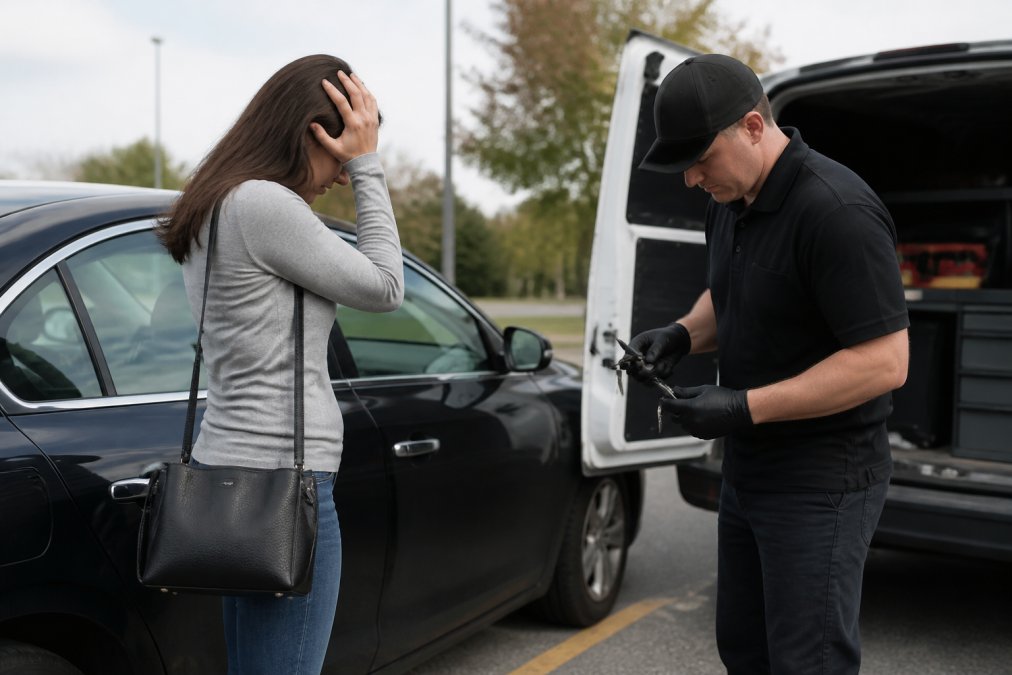
A car lockout is one of those situations nobody plans for and everyone handles badly. You're standing outside your vehicle, keys inside, and the clock is ticking. ADAM Keys & Remote has helped drivers across Northern Virginia work through exactly this moment, and the decisions you make in the first few minutes genuinely matter. Below, we'll walk through who to call, what your options actually cost you, and how to avoid getting into this situation again.
Your First Steps After a Car Lockout
The first thing to do after a car lockout is stop and assess your surroundings. Are you safe? Is the vehicle in a public, well-lit area, or are you stranded somewhere isolated? Your location determines your next move more than anything else.
Emergency vs. Non-Emergency: Triage the Situation First
Not every lockout is a crisis, but some are. A car lockout becomes a genuine emergency when a child or pet is trapped inside the vehicle, when the temperature outside is extreme, or when you're in an unsafe location. In those cases, call 911 immediately. Emergency services can respond quickly and may be able to open the vehicle or at minimum keep you safe until help arrives.
If none of those conditions apply, you're dealing with a non-emergency situation. That's actually good news, because it means you have options and can choose the one that makes the most sense for your circumstances. Rushing into the wrong call costs you time and money.
The two-question triage:
- Is anyone inside the vehicle or is your safety at risk? → Call 911.
- Are you in a safe location with time to evaluate your options? → Read on.
When to Call Local Authorities
Local authorities are the right call when safety is the primary concern, not convenience. Police officers are not locksmiths, and most departments no longer carry unlocking tools as standard equipment. What they can do is ensure your safety, document the situation, and in some jurisdictions, contact a dispatch service on your behalf.
If you're unsure whether your situation warrants a 911 call, the non-emergency line for your local police department is the right middle ground. According to guidance from the National Highway Traffic Safety Administration, hot car situations involving children or pets should always be treated as emergencies with no hesitation.
Who to Call for a Car Lockout: Your Options Explained
Several options exist for resolving a car lockout, and each one comes with tradeoffs in speed, cost, and reliability. Understanding the differences saves you from making an expensive or frustrating choice under pressure.
| Option | Best For | Key Consideration |
|---|---|---|
| Roadside Assistance Program | Members with existing coverage | May have wait times; limited to basic unlocking |
| Insurance Roadside Add-on | Drivers with coverage included | Requires claim documentation; reimbursement varies |
| Mobile Automotive Locksmith | Most situations | Fastest resolution; handles modern key systems |
| Police/Emergency Services | Safety emergencies | Not equipped for all vehicle types |
| Dealership | Key programming needs | Requires tow; often slower and higher cost |
Roadside Assistance and Membership Programs
Roadside assistance programs through automotive clubs or vehicle manufacturers are a familiar first call for many drivers. These programs dispatch a technician to your location and typically cover basic vehicle access for members. The catch: coverage varies widely by program, and wait times during peak hours can stretch longer than most people expect.
Membership benefits usually include a set number of service calls per year. If you've already used your allowance, you may be paying out of pocket anyway. Check your membership terms before you assume you're covered.
One important limitation: many roadside assistance programs are equipped only for older, traditional lock systems. If your vehicle uses a smart key or keyless entry system, the dispatch technician may not have the tools or training to help. In that case, you'll be waiting for a mobile locksmith regardless.
Insurance Coverage and Reimbursement Steps
Many auto insurance policies include roadside assistance or lockout coverage as an add-on. If you're not sure whether your policy includes it, this is the moment to check. The Insurance Information Institute's guide to auto policy coverage is a useful starting point for understanding what standard policies typically include.
If your policy covers lockout services, here's how to handle the reimbursement process:
- Call your insurer's roadside line before hiring anyone, if possible. Using an out-of-network provider may reduce or eliminate reimbursement.
- Get an itemized receipt from the locksmith or service provider. Insurers require documentation that specifies the service performed and the vehicle.
- Note your vehicle identification number (VIN) and have your proof of ownership ready. These are standard requirements for any lockout claim.
- Submit the claim promptly. Most insurers set a window of 30 to 90 days for reimbursement requests.
- Follow up in writing. If your claim is delayed, a written record of your follow-up protects you.
A service fee may apply even with coverage, and some policies only reimburse up to a set amount. Read the fine print before you assume full coverage.
Why a Mobile Automotive Locksmith Is Often the Best Call
A mobile automotive locksmith is typically the fastest, most capable solution for a car lockout. Unlike roadside assistance programs that may only handle basic unlocking, a qualified locksmith arrives with the tools and training to address a full range of vehicle access situations, including modern transponder key systems, keyless entry, and push-to-start vehicles.
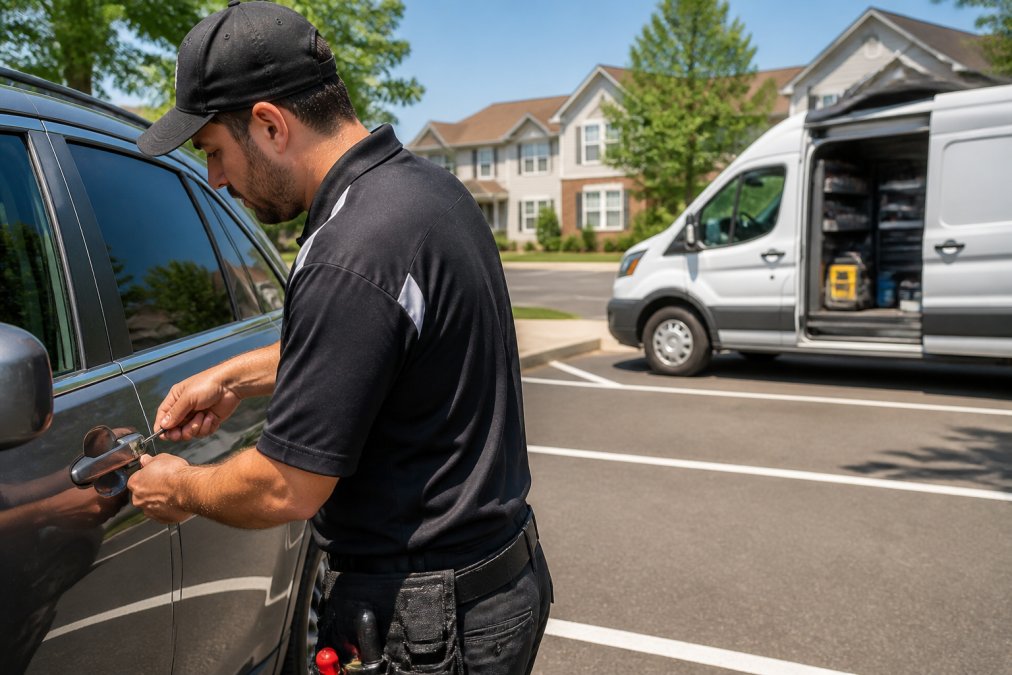
Mobile service means the technician comes to you. No towing, no dealership appointment, no waiting in a service bay. For drivers in Northern Virginia, where traffic and distance can make a dealership trip genuinely costly in time, on-site assistance is the practical choice.
What to Have Ready When You Call
Having the right information ready shortens the call and speeds up dispatch. Most professional locksmiths will ask for:
- Your vehicle's year, make, and model (e.g., 2021 Toyota Camry)
- Your current location, be as specific as possible, including cross streets or a landmark
- Proof of ownership, a driver's license, registration, or insurance card in your name
- Your contact number so the technician can reach you if needed
Proof of ownership is not optional. A professional locksmith will verify that you have a legitimate claim to the vehicle before performing any service. This protects both you and them.
Smart Key and Key Fob Programming: A Different Kind of Lockout
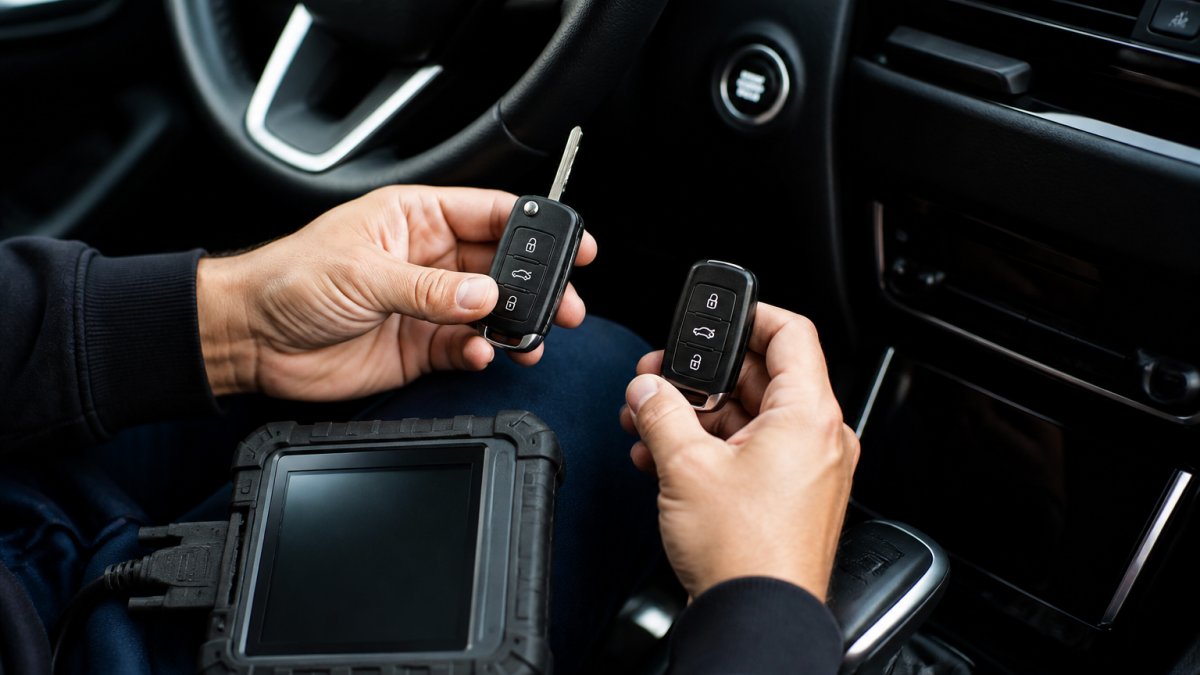
Smart key and key fob programming issues represent a fundamentally different problem from a traditional lockout, and most drivers don't realize the distinction until they're already stranded. A smart key lockout occurs when the vehicle's immobilizer or security system fails to recognize your key fob, preventing the car from unlocking or starting even when the fob is physically present.
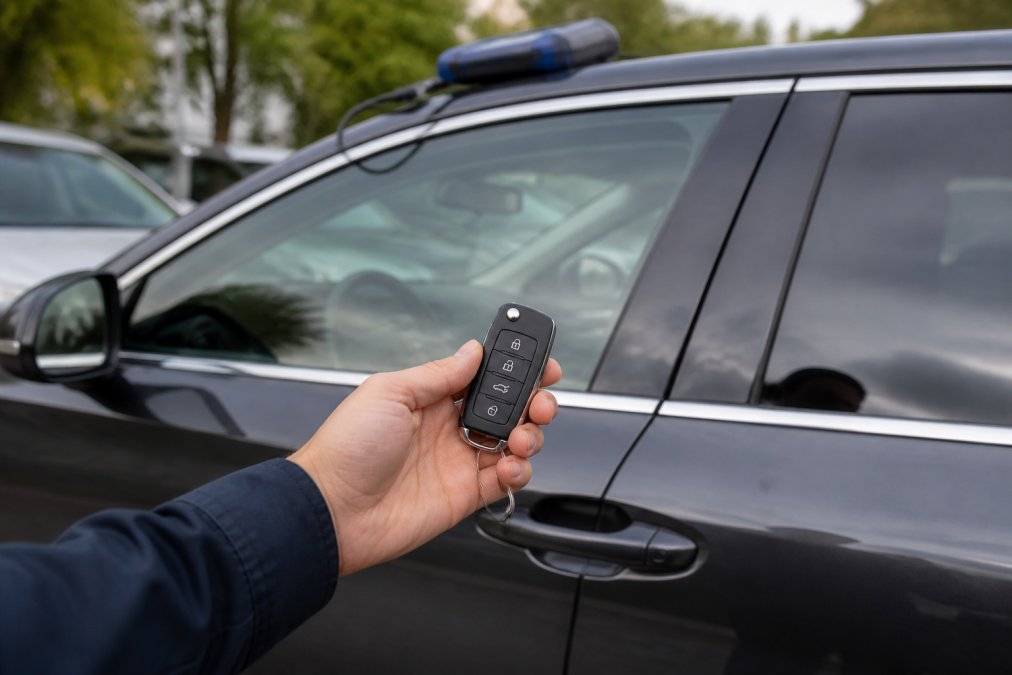
This type of situation requires a technician with diagnostic equipment capable of communicating with your vehicle's onboard computer. A standard roadside assistance dispatch won't resolve it. You need a locksmith trained in key fob programming and transponder key systems.
Dead Fob Battery vs. Physical Lockout: Know the Difference
This is where most drivers waste time. A dead fob battery and a physical lockout look identical from the outside: you press the button, nothing happens. But the solutions are completely different.
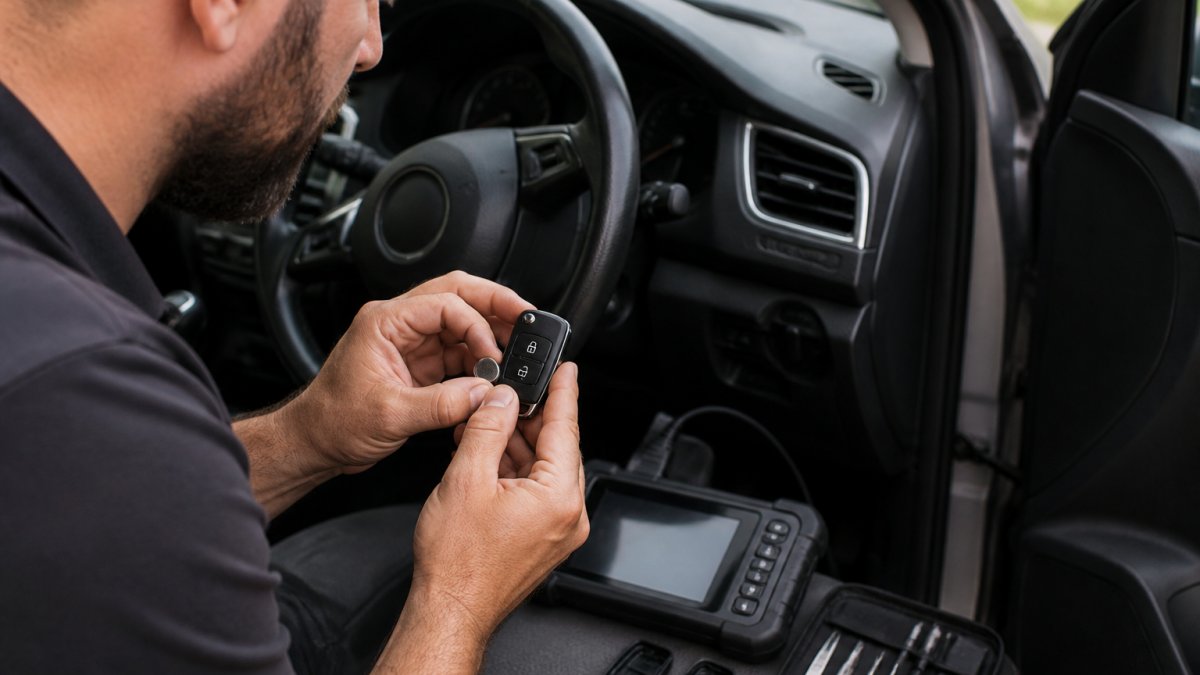
Dead fob battery: The key fob has lost power. Most vehicles have a mechanical key blade hidden inside the fob that can open the door manually. Check your owner's manual for the location of the manual key slot, which is sometimes hidden under a cover on the door handle.
Physical lockout: The keys are inside the car, or the key is lost entirely. No amount of new batteries will solve this. You need a locksmith.
Smart key system failure: The fob has power, but the vehicle's security system or immobilizer isn't recognizing it. This requires reprogramming by a qualified technician with the right diagnostic tools.
According to guidance from the National Automobile Dealers Association on vehicle technology, modern keyless entry and push-to-start systems have become standard across most new vehicle segments, which means more drivers are encountering fob-related lockouts than ever before.
Car Key Replacement Services: Beyond the Dealership
A common assumption is that car key replacement can only happen at the dealership. That assumption costs drivers time and money. A qualified mobile automotive locksmith can cut and program replacement keys for most modern vehicles on-site, including transponder keys, smart keys, and key fobs.
The dealership route has real disadvantages: you typically need to tow the vehicle there, wait for a service appointment, and pay dealership labor rates. For situations where all keys are lost, this process can take days. A mobile locksmith handles the same job at your location, often in a fraction of the time.
For drivers dealing with a complete key loss, an all-keys-lost situation requires the technician to access your vehicle's onboard diagnostic port and generate a new key code matched to your VIN. This is a specialized service, and not every provider offers it. Make sure you confirm this capability before booking.
DIY Methods, Legal Limits, and Damage Risks
DIY car lockout methods are widely discussed online, but the honest assessment is that most of them carry more risk than reward on modern vehicles. Slim-jim tools, wedge-and-rod kits, and coat hanger methods were designed for older vehicles with simple mechanical locks. On vehicles manufactured in the last decade, these approaches can damage door seals, trigger airbag sensors, or void warranty coverage.
There's also a legal dimension that most guides ignore. Attempting to open a vehicle that isn't yours, even with good intentions, can result in a criminal mischief charge in many states. Some states have specific statutes governing the possession of unlocking tools by non-licensed individuals. The National Locksmith Association's overview of state licensing requirements outlines how these laws vary by jurisdiction.
The practical guidance: if you have a genuine lockout kit and experience using it on your own vehicle, proceed carefully. If you don't, the cost of a professional is almost always less than the cost of repairing damage from a failed DIY attempt.
How to Prevent Future Lockouts
The best car lockout is the one that never happens. A few straightforward habits eliminate most of the risk.
Get a spare key made now, not after the next lockout. A duplicate key stored somewhere accessible, whether with a trusted person or in a magnetic key holder in a safe location on the vehicle, is the single most effective prevention. Mobile automotive locksmith services can cut and program a spare key at your location without a dealership visit.
Enable your vehicle's remote entry app. Many newer vehicles include a manufacturer app that allows remote unlocking via your smartphone. If your vehicle supports this feature and you haven't activated it, do it today.
Build a habit around your keys. The most common lockout cause is distraction: setting keys down while loading groceries or unloading a child from a car seat. A simple rule, such as keys in hand before the door closes, prevents most incidents.
Know your roadside assistance coverage before you need it. Check your insurance policy, your vehicle manufacturer's app, and any membership programs you carry. Knowing your options in advance means you make better decisions under pressure.
| Prevention Strategy | Effort Required | Effectiveness |
|---|---|---|
| Spare key with trusted contact | One-time setup | High |
| Magnetic key holder on vehicle | One-time setup | Moderate |
| Manufacturer remote unlock app | One-time setup | High (modern vehicles) |
| Keys-in-hand habit | Daily practice | High |
| Roadside coverage review | Annual check | Moderate |
Getting locked out of your car is frustrating, but it doesn't have to spiral into a costly, time-consuming ordeal. The right call depends on your situation: emergency services for genuine safety risks, your insurance or roadside program if you have relevant coverage, and a qualified mobile automotive locksmith for everything else. ADAM Keys & Remote provides mobile locksmith services across Manassas and Northern Virginia, specializing in car key replacement, smart key programming, and on-site vehicle access. Contact ADAM Keys & Remote to request an estimate and get back on the road without the dealership detour.
Frequently Asked Questions
Q: Is it better to call a locksmith or a dealership for a car lockout?
A: A mobile automotive locksmith is usually faster and more affordable than a dealership for a lockout. Dealerships require you to tow the vehicle to their location, which adds time and cost. A mobile locksmith comes directly to you, can handle most modern vehicles including those with transponder keys and keyless entry systems, and typically resolves the situation on-site without requiring a tow.
Q: Can a mobile locksmith help with modern smart keys and key fobs?
A: Yes. Qualified mobile locksmiths carry the programming equipment needed for smart keys, key fobs, and transponder keys on most vehicle makes and models. If your key fob has a dead battery or your immobilizer is not recognizing the key, a professional technician can diagnose the issue and program a replacement on-site. Always confirm the locksmith has experience with your specific vehicle before they arrive.
Q: What information should I have ready when calling a mobile locksmith?
A: Have your vehicle identification number (VIN), the year, make, and model of your car, and proof of ownership such as your registration or title ready. The locksmith may also ask for a photo ID to verify you are the vehicle owner. Having this information on hand speeds up dispatch and helps the technician bring the correct key blanks and programming tools for your vehicle.
Q: How much does it cost if I get locked out of my car?
A: Service fees vary based on your location, the time of day, and the complexity of your vehicle's lock or key system. Some auto insurance policies and roadside assistance memberships cover lockout services, either fully or through reimbursement. Contact your insurer or membership provider before paying out of pocket. For an accurate estimate, reach out directly to a local mobile locksmith like ADAM Keys & Remote.
This article was written using GrandRanker