 how-to
How to Program Smart Key Safely: A Step-by-Step Guide
Table of Contents
- What You Need Before Programming a Smart Key
- Step-by-Step Process for Programming Smart Keys
- Risks of DIY Key Fob Programming You Should Know
- Automotive Locksmith Tools for Key Programming
- When to Call a Mobile Automotive Locksmith in Northern Virginia
- Common Mistakes to Avoid When Programming Smart Keys
- Frequently Asked Questions
Last Updated: September 2, 2026
What You Need Before Programming a Smart Key
Programming a smart key safely requires preparation. You'll need specific equipment, vehicle documentation, and a clear understanding of your vehicle's system before you begin. Attempting to program a smart key without the right tools or knowledge can damage your vehicle's electrical systems or create security vulnerabilities.
Essential Equipment and Materials
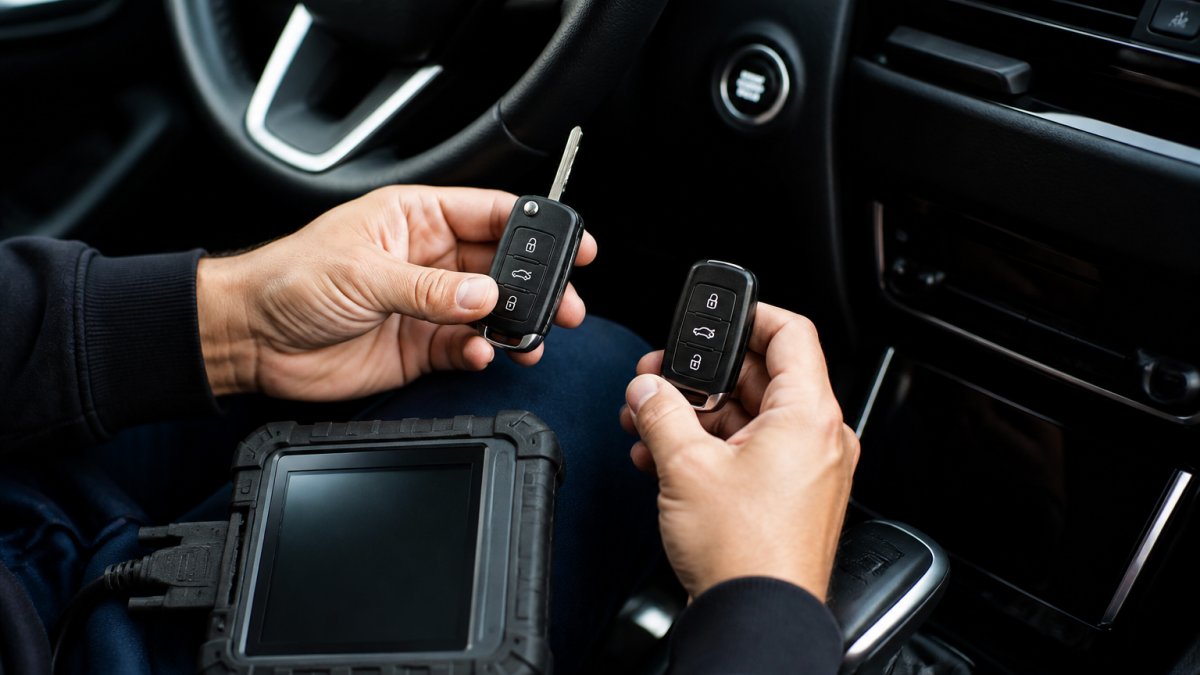
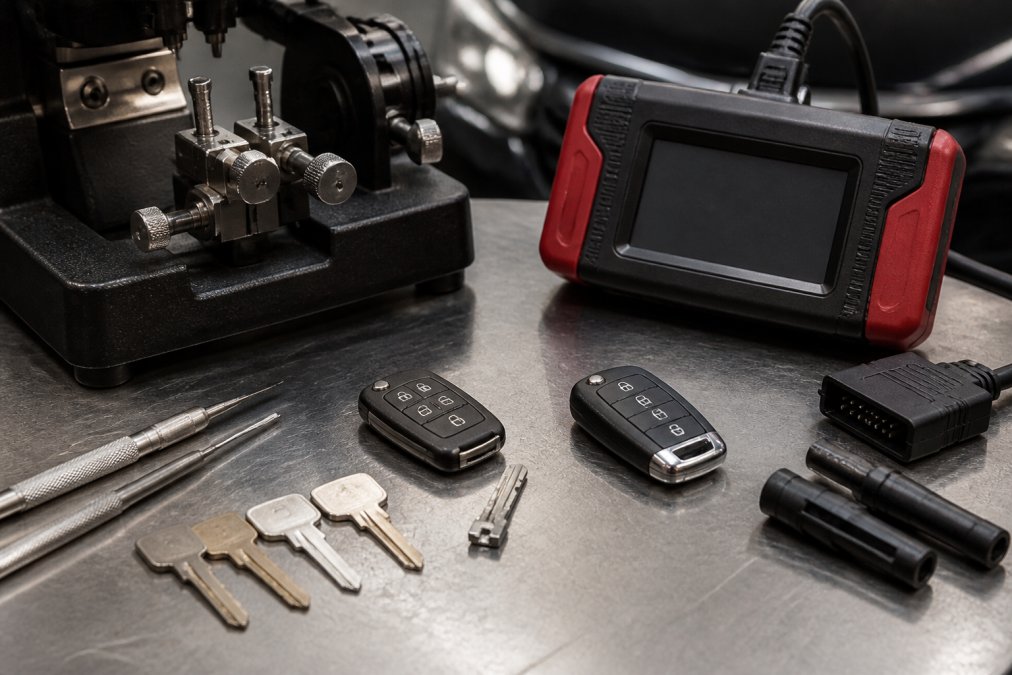
To program a smart key safely, you need the right tools. A basic DIY setup includes a compatible key programmer or diagnostic scanner, blank key fobs matching your vehicle's make and model, and the vehicle's owner's manual or technical documentation.
Key programming devices range from simple to complex. Some vehicles accept basic programmers that connect to your car's OBD-II port. Others require advanced diagnostic equipment that communicates with proprietary vehicle systems. Before purchasing or borrowing equipment, verify that it's compatible with your specific vehicle year, make, and model.
You'll also need:
- The vehicle's keys (at least one working key, if possible)
- Owner's manual or service documentation
- A clean, organized workspace away from moisture
- Safety glasses and gloves for protection
- A notebook to document the programming steps
Many DIY enthusiasts find that renting equipment from automotive suppliers can be an option, but rental availability varies by location. If you're in the Northern Virginia area and lack access to proper equipment, professional automotive locksmiths have certified tools and can handle the job.
Information You'll Need to Gather
Before starting, collect critical vehicle information. Write down your vehicle identification number (VIN), which you'll find on the dashboard or vehicle registration. The VIN tells you the exact model year, engine type, and transmission, all of which affect how smart key programming works.
Next, locate your vehicle's security access code or PIN. This code is typically found in your owner's manual, service records, or online through your vehicle manufacturer's portal. Some vehicles store this information on a label inside the driver's door jamb or fuel door. Without this code, you may not be able to enter programming mode.
Research your specific vehicle's programming procedure. Different manufacturers use different sequences. A Honda smart key programming process differs significantly from a Toyota, Ford, or Chevrolet system. Online forums and manufacturer documentation can walk you through the exact steps, but the procedures often require precise timing and specific button combinations.
Step-by-Step Process for Programming Smart Keys
Programming a smart key safely involves entering your vehicle's programming mode, adding the new key, and testing the results. Each step must be completed correctly to avoid locking yourself out or creating a non-functional key.
Entering Programming Mode
The first step is putting your vehicle into programming mode, which allows it to recognize and register new keys. This process varies significantly by vehicle, but most modern cars follow a similar pattern.
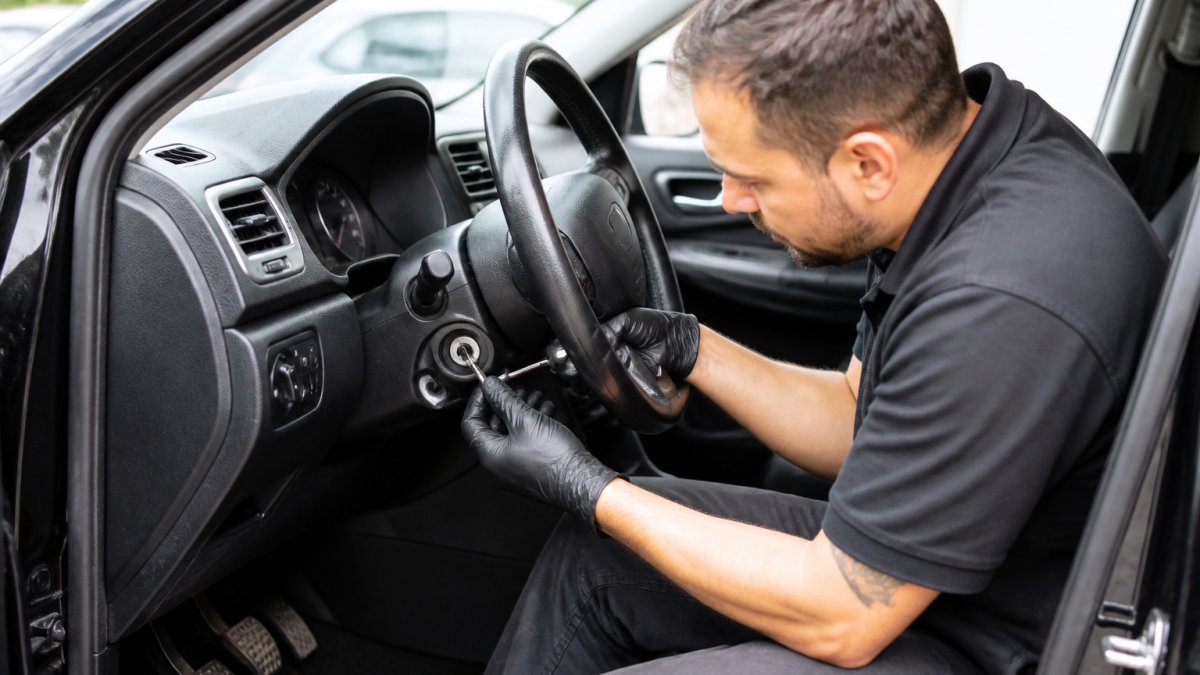
Start by sitting in the driver's seat with all doors closed. Insert your working key into the ignition and turn it to the "On" position without starting the engine. Then turn it back to "Off." Repeat this cycle several times in quick succession, typically three to five times. Some vehicles require you to turn the key to the "Acc" position between cycles. Pay close attention to your vehicle's manual for the exact sequence.
You'll know you've entered programming mode when the vehicle signals you, usually through flashing lights, a chiming sound, or a dashboard message. Some vehicles flash the headlights or unlock and lock the doors automatically. This signal confirms that the vehicle is ready to accept new key codes.
Once in programming mode, you have a limited window to act, usually between 30 seconds and a few minutes. Insert your new blank key into the ignition and turn it to the "On" position. The vehicle will register the key code. Turn the key back to "Off." Repeat this process for each additional key you're programming.
If the vehicle doesn't signal that it's accepted the new key, exit programming mode by turning the ignition off and waiting several minutes. Then start over. Rushing this step or skipping the confirmation signals is a common source of programming failures.
Testing and Verifying Your New Key
After programming, test the new key thoroughly before relying on it. Insert the newly programmed key into the ignition and start the engine normally. If the vehicle starts without issues, the key's basic programming is successful.
Next, test the remote functions. Press the lock and unlock buttons on the key fob. The vehicle's doors should respond immediately. Test the panic button, trunk release, and any other features your fob should have. If any function doesn't work, the key may not have programmed completely.
Some vehicles require you to verify the programming by inserting the new key into the ignition and turning it to "On" without starting the engine. The dashboard may display a confirmation message or light. Consult your manual for your vehicle's verification process.
Test the key multiple times from different distances to ensure the remote range is normal. If the fob only works when you're very close to the vehicle, the programming may be incomplete or the fob itself may be faulty. A properly programmed smart key should work from at least 30 feet away in most conditions.
Risks of DIY Key Fob Programming You Should Know
DIY smart key programming carries real risks. The most serious is accidentally locking all your keys out of the vehicle permanently. If you enter programming mode incorrectly or fail to complete the process, your vehicle's computer may reject all keys, including the original ones. Recovering from this situation requires professional intervention.
Another risk is damaging your vehicle's electrical system. Modern smart keys communicate with complex onboard computers. Incorrect programming sequences, using incompatible equipment, or leaving the ignition in certain positions for too long can cause electrical faults. These repairs can be expensive and time-consuming.
Security vulnerabilities are also a concern. Improperly programmed keys may not encrypt correctly, potentially allowing unauthorized access to your vehicle. If you're not following manufacturer specifications precisely, you might create a security gap without realizing it.
Vehicle immobilizer system damage is possible if you use the wrong diagnostic scanner or programmer. The immobilizer is a critical anti-theft system, and interfering with it during failed programming attempts can disable your vehicle's ability to start at all.
Many vehicle owners discover too late that their vehicle's smart key system is too complex for DIY programming. Luxury vehicles and newer models often use encrypted systems that require dealership-level equipment or specialized automotive locksmith tools. Attempting to program these systems without proper training can cause permanent damage.
Automotive Locksmith Tools for Key Programming
Professional automotive locksmiths use specialized equipment that goes far beyond basic key programmers. These tools are expensive, regularly updated, and require training to use correctly.
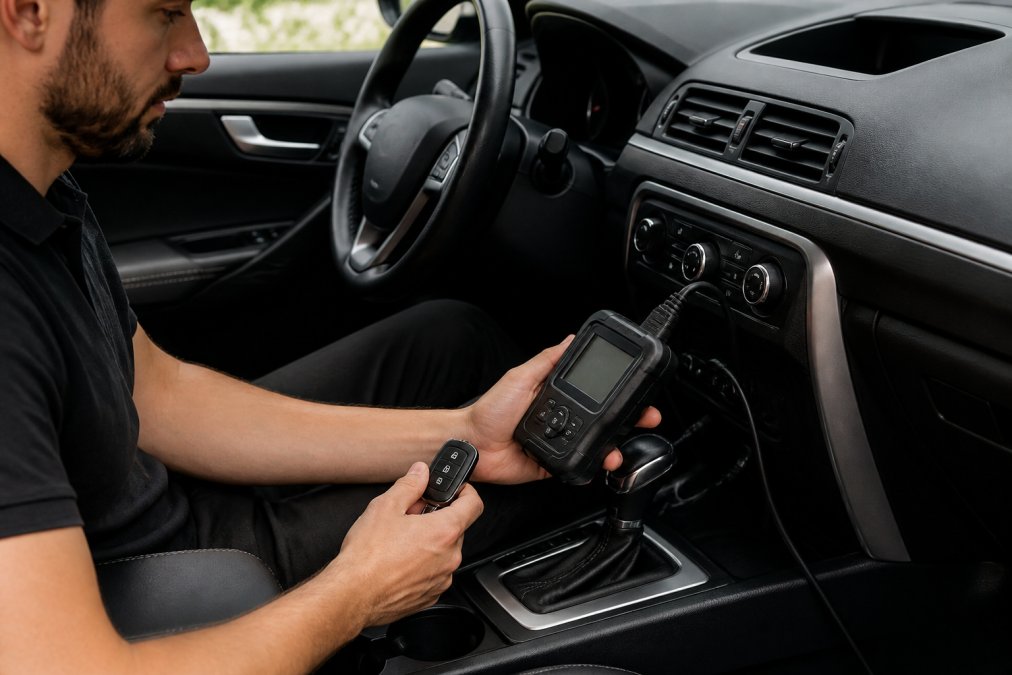
A modern automotive locksmith's toolkit includes advanced diagnostic scanners that connect to multiple vehicle systems simultaneously. These scanners can read and write key codes, reprogram immobilizers, and diagnose electrical faults. They're manufacturer-specific or multi-brand, depending on the locksmith's specialization.
Specialized key programmers are another critical tool. Unlike basic OBD-II programmers, professional-grade equipment can handle encrypted key codes, transponder programming, and remote fob synchronization. They're calibrated for accuracy and updated regularly as manufacturers release new vehicle models and security protocols.
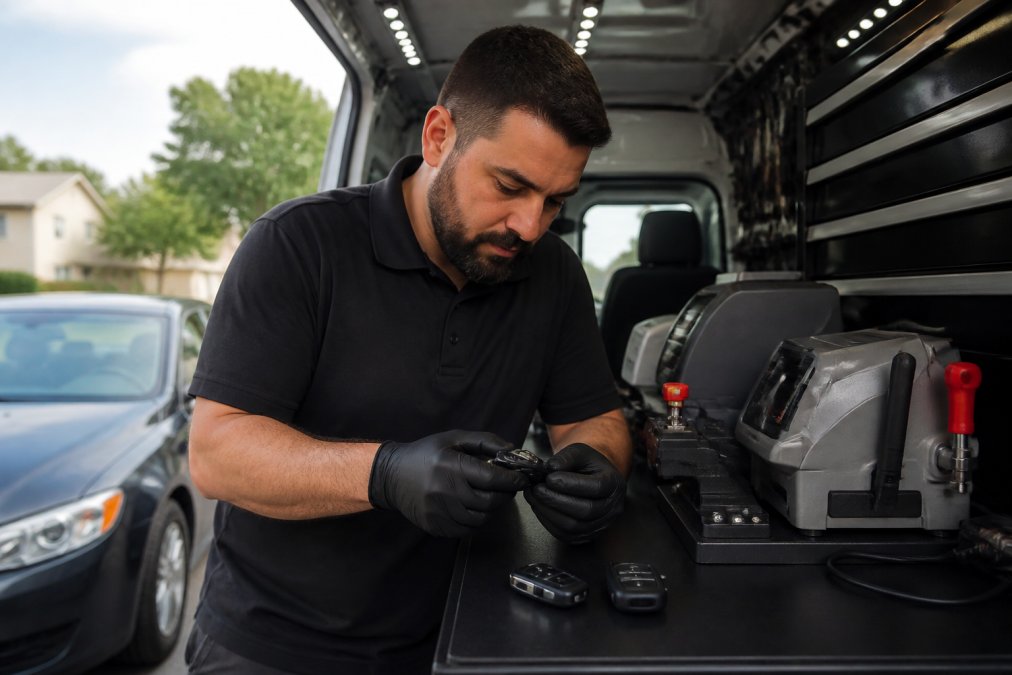
Mobile automotive locksmiths in Northern Virginia carry this equipment directly to your vehicle, eliminating the need to tow your car to a dealership or repair shop. Professional locksmiths maintain their tools to manufacturer standards and stay current with the latest vehicle technologies.
Locksmiths also use key cutting equipment that ensures blank keys match your vehicle's exact specifications. A poorly cut key can damage your ignition cylinder or fail to program correctly. Professional-grade cutting machines are precise to tolerances measured in fractions of a millimeter.
When to Call a Mobile Automotive Locksmith in Northern Virginia
Knowing when to stop attempting DIY programming and call a professional is crucial. If you've tried programming your smart key and it's not working after two or three attempts, contact an automotive locksmith. Repeated failed attempts increase the risk of locking yourself out completely.
Complex Vehicle Systems That Require Professional Help
Luxury vehicles and newer models often use encrypted smart key systems that require professional equipment. Vehicles from manufacturers like BMW, Mercedes-Benz, Audi, and Porsche typically cannot be programmed with consumer-grade tools. These systems are designed for security, which means they're locked against unauthorized access.
High-end vehicles also use multiple authentication layers. A smart key must communicate with the vehicle's main computer, security module, and immobilizer system simultaneously. Failure in any layer prevents the vehicle from starting. Professional locksmiths have the diagnostic capability to identify which layer is failing and correct it.
Vehicles with push-to-start systems are particularly complex. These systems require the key fob to be within a specific range and authenticated before the engine will turn over. Programming errors can disable the entire start sequence, leaving you unable to operate your vehicle.
If your vehicle uses a keyless entry system with rolling code encryption, DIY programming is not recommended. Rolling codes change with each use to prevent key cloning. Only properly equipped locksmiths can synchronize a new fob with your vehicle's rolling code system.
No Working Key Available
If all your keys are lost or non-functional, you cannot enter programming mode using the standard procedure. Professional locksmiths have alternative methods to access your vehicle's programming system through the OBD-II port or other diagnostic connections. They can reprogram the vehicle's computer to accept a new key without requiring an existing working key. This situation is where Car Key Programming and All Keys Lost services become essential, professional locksmiths can often have you back on the road quickly, whereas dealerships may require more time to order and program replacement keys.
Common Mistakes to Avoid When Programming Smart Keys
The most frequent mistake is rushing the programming sequence. Each step requires precise timing, and skipping steps or performing them too quickly causes the vehicle to reject the new key. Take your time and follow your manual's instructions exactly.
Another common error is using the wrong key programmer for your vehicle. Buying a generic OBD-II programmer and assuming it works for all vehicles is a costly mistake. Always verify compatibility before purchasing or attempting to use any programming equipment.
Failing to verify you're actually in programming mode is a serious oversight. Many vehicle owners think they've entered programming mode because they've turned the key on and off, but they haven't seen the confirmation signal. Without that signal, the vehicle won't accept new key codes.
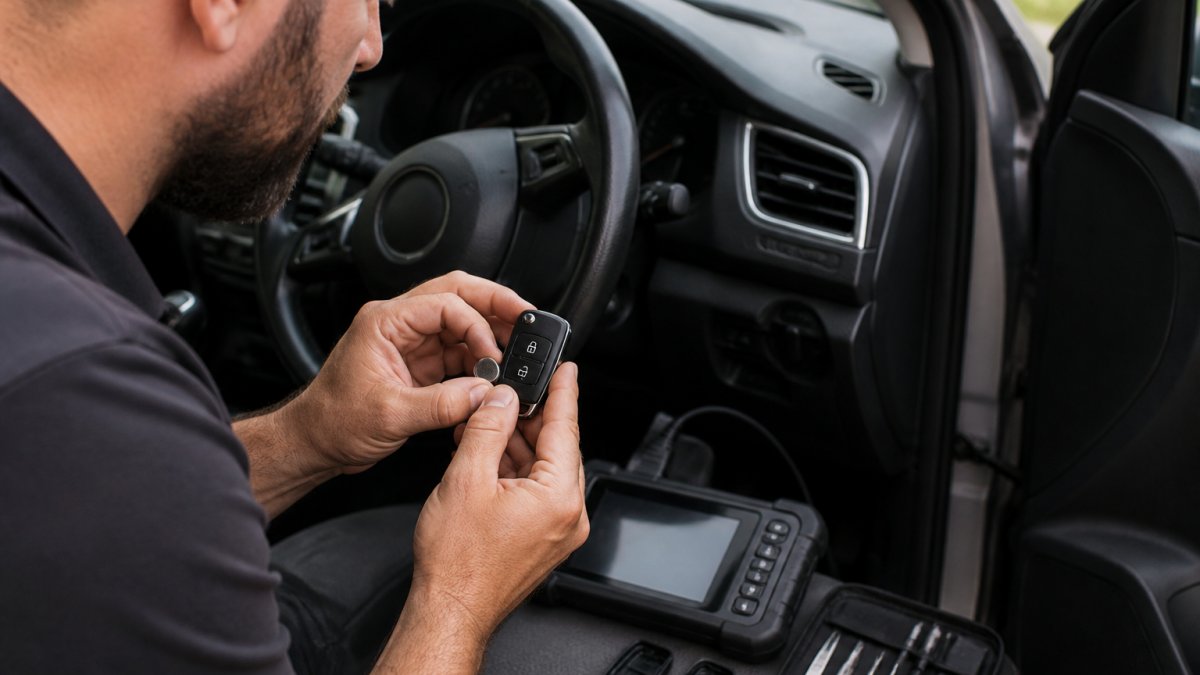
Attempting to program a key with a weak or dead battery is another frequent problem. Key fobs need sufficient battery power to transmit their codes to the vehicle's receiver. A dying battery can cause the fob to send incomplete data, resulting in a partially programmed or non-functional key.
Leaving the vehicle in programming mode too long without completing the sequence is risky. If you exceed the time limit, the vehicle automatically exits programming mode. Attempting to continue without re-entering programming mode properly will fail.
Not testing the new key immediately after programming is a mistake that compounds later. If you don't discover the key doesn't work until days later, you may have forgotten the exact steps you followed, making troubleshooting harder. Test thoroughly right away while the process is fresh.
Ignoring your vehicle's manual and relying on generic online instructions is dangerous. While many vehicles follow similar patterns, specific models have unique requirements. Your manual is the authoritative source for your exact vehicle.
Programming a smart key safely requires patience, the right equipment, and careful attention to detail. If you're uncertain about any step or your vehicle uses an advanced security system, professional help is the safer choice. ADAM Keys & Remote specializes in Smart Key & Key Fob Replacement and car key programming for vehicles throughout Northern Virginia and can handle complex systems that DIY methods can't address. Whether you've lost all your keys, need a spare programmed, or encountered issues with a DIY attempt, reaching out for a professional estimate ensures your vehicle remains secure and functional. Contact ADAM Keys & Remote for expert assistance with your smart key programming needs.
Frequently Asked Questions
Is it safe to program a smart key fob yourself?
Programming a smart key yourself can be safe if your vehicle uses a simple DIY-friendly system and you follow the manufacturer's instructions exactly. However, modern vehicles with advanced security systems carry real risks of damaging the vehicle's computer or locking yourself out permanently. If you lack a working key, have never done this before, or own a newer luxury or high-security vehicle, professional help is the safer choice. ADAM Keys & Remote can program smart keys safely for vehicles throughout Northern Virginia.
What are the risks of DIY car key programming?
The main risks include accidentally triggering your vehicle's security lockout, erasing existing key codes, damaging the onboard computer system, or programming the key incorrectly so it stops working mid-drive. Some vehicles require special equipment you may not have access to. If programming fails, you could be stranded with no working keys and a potential repair bill. These risks increase significantly with newer vehicles that use encrypted security systems.
Do I need special equipment to program a modern smart key?
Yes, most modern vehicles require specialized programming equipment beyond what a typical car owner has at home. Some older vehicles allow basic DIY programming through button sequences, but newer models need diagnostic tools that read and write to the vehicle's computer. Professional locksmiths invest in this equipment specifically. Attempting to program without proper tools risks permanent damage to your vehicle's security system.
What should I do if my smart key programming attempt fails?
Stop immediately and do not attempt to reprogram. A failed attempt may have locked out all your keys or triggered your vehicle's security system. Contact a professional automotive locksmith right away. Continuing to try DIY programming could make the situation worse and more expensive to fix. ADAM Keys & Remote offers emergency locksmith services if you find yourself locked out after a programming attempt.
This article was written using GrandRanker