 how-to
Is Mobile Key Programming Safe for Cars? A 2026 Guide
Table of Contents
- How Mobile Key Programming Works On-Site
- Is Mobile Key Programming Safe for Cars?
- How to Verify a Mobile Locksmith Before You Book
- What Information Is Needed to Program a Car Key
- How Long Does Car Key Programming Take?
- Car Key Programming Tools and Why They Matter
- What to Test After a New Key Is Programmed
- Frequently Asked Questions
Is Mobile Key Programming Safe for Cars? A 2026 Guide
Call Now: Call (571) 300-6791 | Get a Free Estimate
Last Updated: October 17, 2026
How Mobile Key Programming Works On-Site
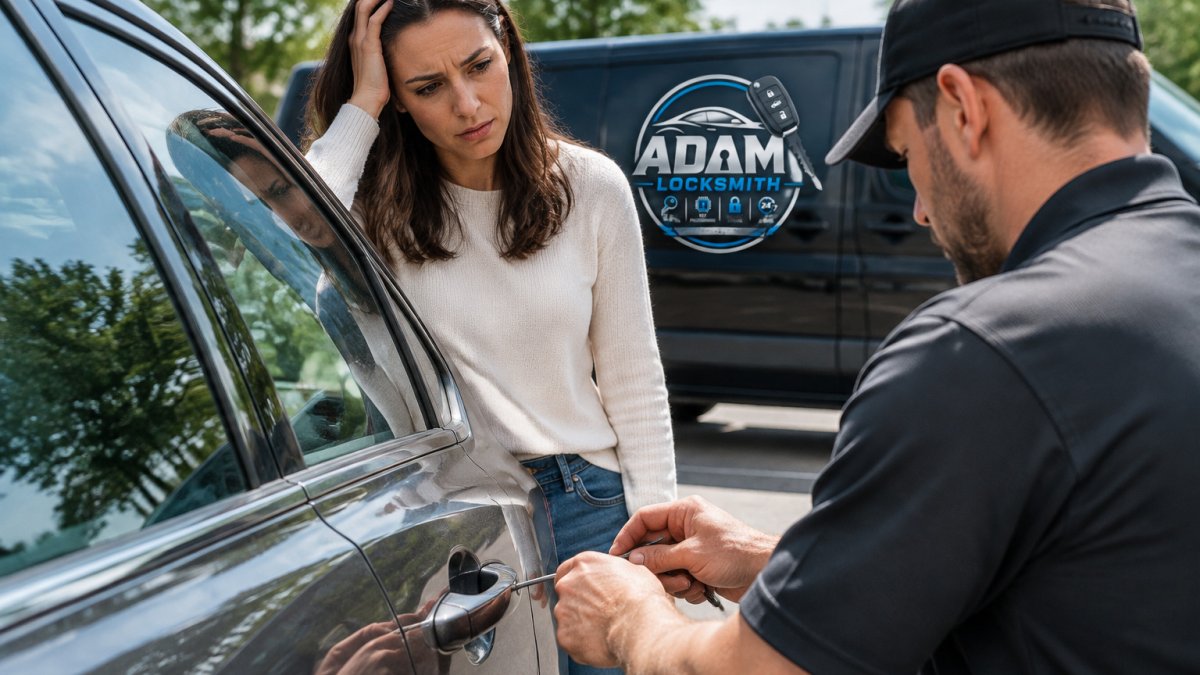
Is mobile key programming safe for cars? Yes, when a trained technician uses the right tools and follows the vehicle maker's procedure. Mobile key programming is the process of pairing a new key or fob to your car's computer at your location, not in a shop. At ADAM Keys & Remote, we bring that service to driveways and parking lots across Manassas Park, VA and the surrounding area.
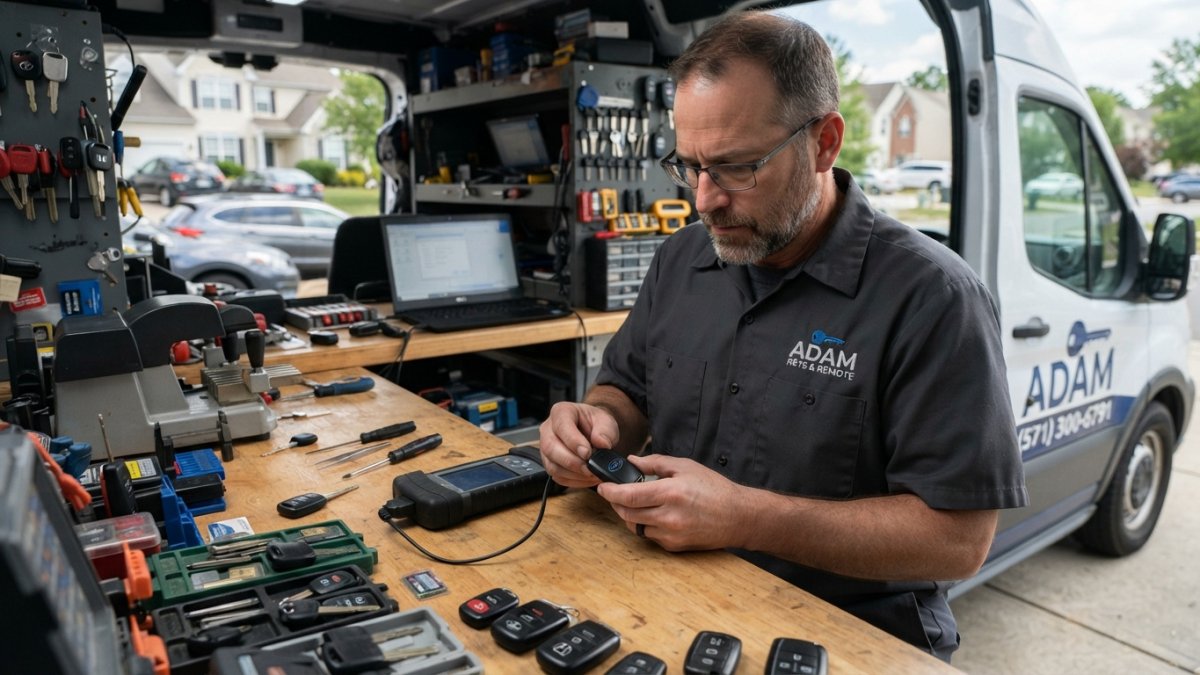
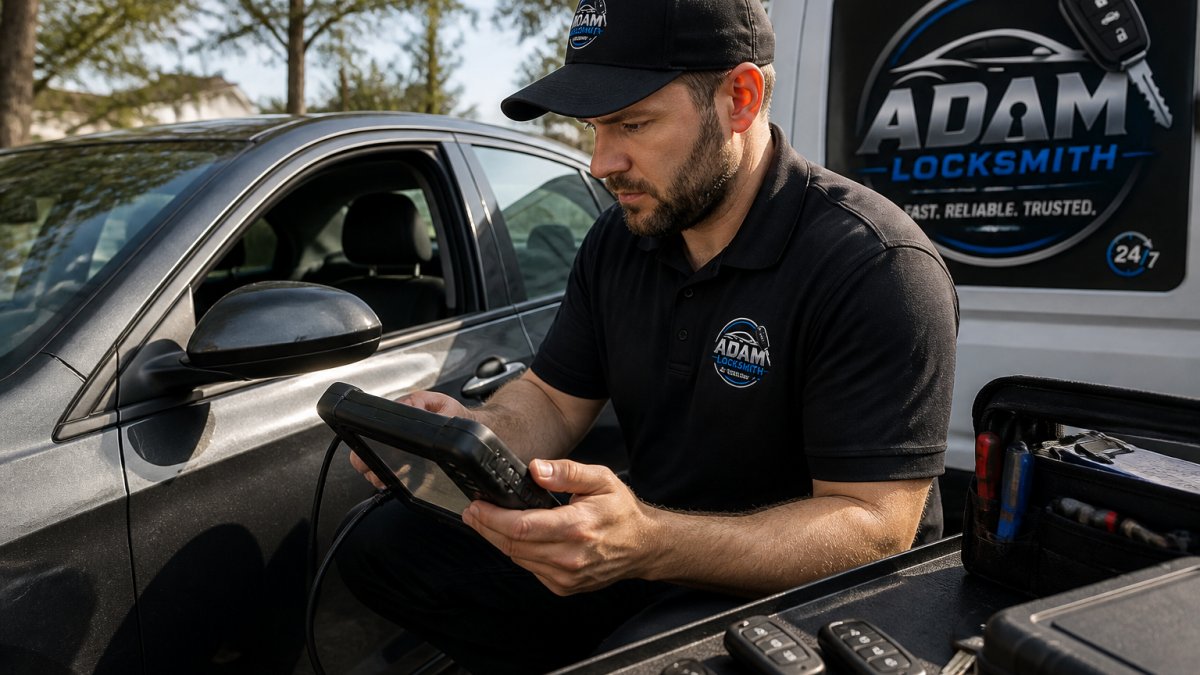
The technician arrives with a handheld programming device. It plugs into your car's diagnostic port under the dash. The device talks to the car's computer and writes the new key into its memory.
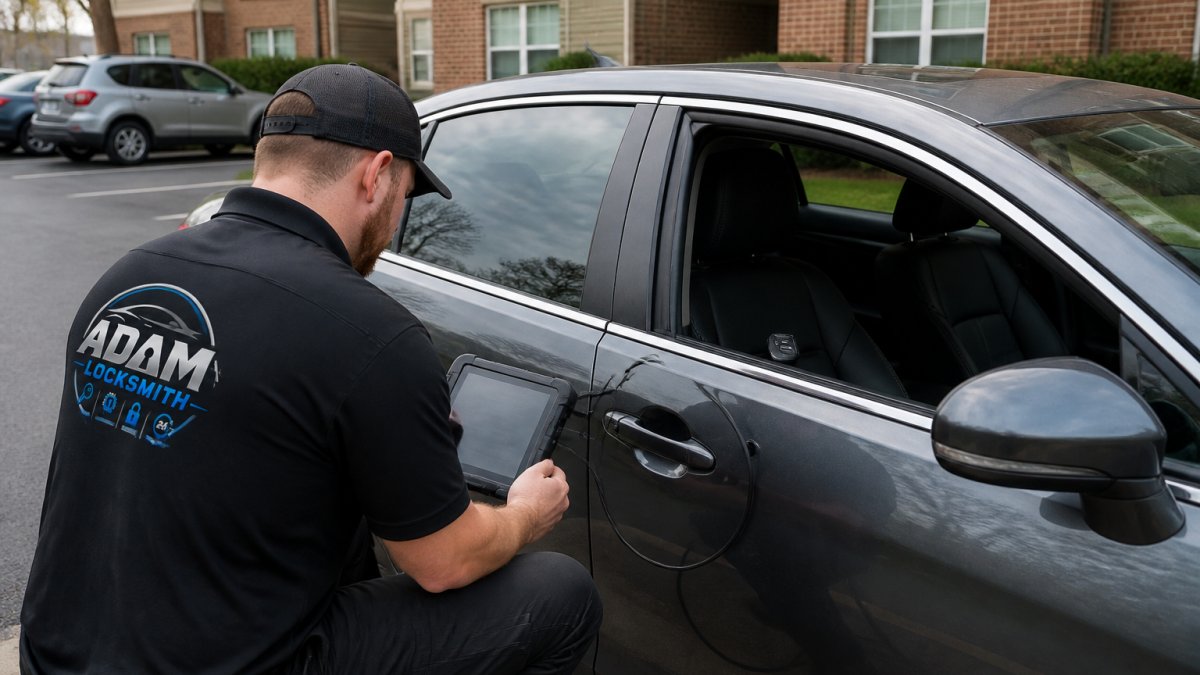
What Happens During the Appointment
Here is the typical order of events:
- You confirm the vehicle's year, make, model, and key type
- The technician checks your ID and proof of ownership
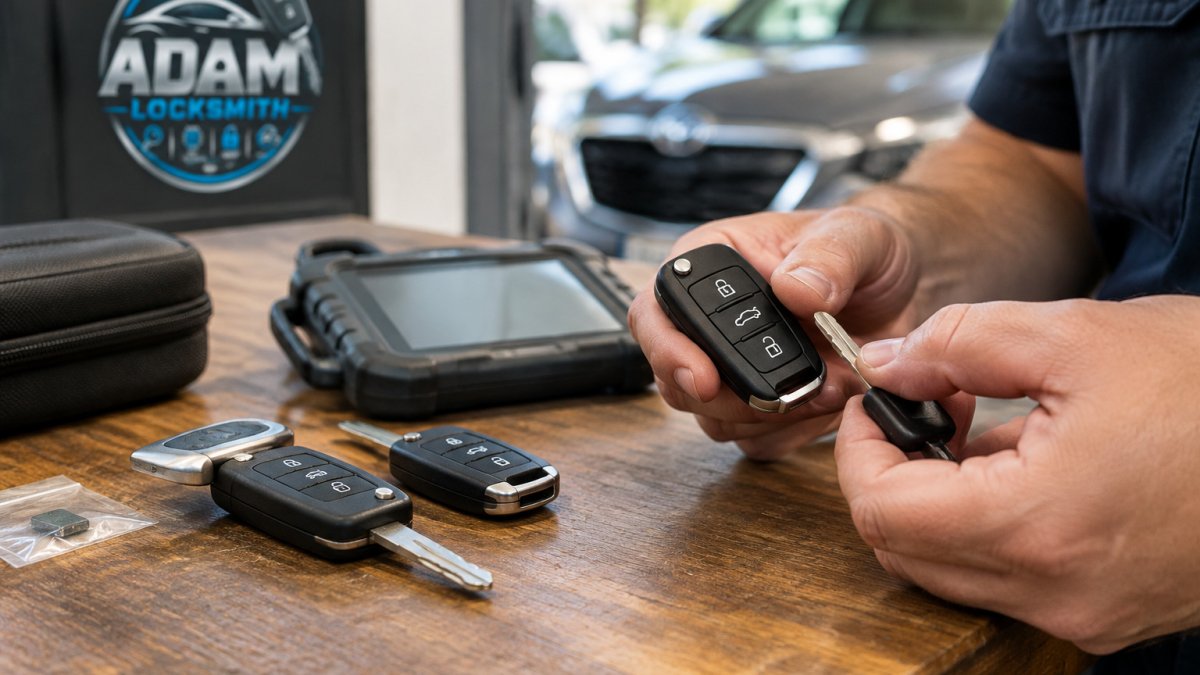
- The new key is cut or the fob is matched to your car
- The programming tool connects and pairs the key
- Every key is tested before the technician leaves
Most jobs follow this pattern closely. A few vehicles need extra steps.
Is Mobile Key Programming Safe for Cars?
Mobile key programming is safe for cars when it is done correctly. The car's computer is built to accept new keys. The process uses the same diagnostic pathway the manufacturer designed for this purpose. It does not "hack" the system or bypass security.
The real risk is not the method. It is the person holding the tool. A trained locksmith follows the maker's steps and stops if something looks wrong. A rushed or untrained operator can create problems.
What Can Actually Go Wrong
Bad outcomes are rare, but they exist. Common ones include:
- A key that starts the car but won't lock the doors remotely
- A fob that works one day and fails the next
- A programming attempt that locks the system and needs a reset
- A cheap key that wears out or loses its chip
A common mistake is buying a bargain key online and asking someone to "just program it." Some aftermarket keys don't hold a stable connection to the car. The fix usually means starting over with a better key.
How to Verify a Mobile Locksmith Before You Book
Verification is simple, and it takes about five minutes. Ask three questions before you book anyone.
First, ask what information they need. A real technician will ask for your VIN, your vehicle details, and proof you own the car. Second, ask how they handle a key that fails after programming. Third, ask whether they carry the right key blank for your model.
Here is a quick checklist we suggest for any provider, including us:
- They ask for your VIN and proof of ownership
- They explain the process before arriving
- They confirm your key type is in stock
- They give clear terms if the key fails
- They answer questions without pressure
The Federal Trade Commission's consumer advice on avoiding scams recommends checking a business before you pay. That applies to locksmiths too.
What Information Is Needed to Program a Car Key
To program a car key, a locksmith needs your VIN, the vehicle's year, make, and model, the key type, and proof of ownership. The VIN tells the technician which key system your car uses. Proof of ownership protects you and the technician.
Have these ready before the appointment:
- Your vehicle identification number, found on the dash or door jamb
- Your registration or title
- A photo ID
- The number of keys you currently have
Some vehicles need a security PIN or a code from the manufacturer.
How Long Does Car Key Programming Take?
Car key programming usually takes 15 to 45 minutes on-site. Simple transponder keys sit at the fast end. Smart keys and push-to-start fobs take longer because they need a secure handshake with the car.
Several things affect timing:
- The vehicle's make and model
- Whether you have a working key to copy from
- Whether it is an all-keys-lost situation
- The key type and its programming requirements
An all-keys-lost job takes the longest. The car has no key on file to guide the process, so the technician builds access from scratch. We tell you the expected window when you book.
Car Key Programming Tools and Why They Matter
The right tools decide whether a job goes smoothly. Professional programming devices read your car's system, match the key, and confirm the pairing. Cheap universal tools often miss steps or fail on newer vehicles.
What separates good tools from bad ones:
- Coverage for many makes and models
- Regular software updates for newer vehicles
- A clear read of the car's computer before writing
- Safe handling when a step fails
Tools alone don't make a job safe. Training does. The best device in the wrong hands is still a risk. We match the tool to your vehicle.
What to Test After a New Key Is Programmed
Test the key before the technician leaves. A good technician will run these checks with you:
- Start the engine with the new key
- Lock and unlock all doors with the fob
- Open the trunk with the remote
- Test the panic button
- Try the spare key if you ordered one
If any function fails, say so on the spot. A small adjustment often fixes it. Waiting a day turns a quick fix into a second visit.
We test every key before we pack up. If something isn't right, we fix it then.
A lost key or a dead fob can stall your whole day. ADAM Keys & Remote brings mobile key programming to your driveway in Manassas Park and across Northern Virginia. We handle car key replacement, smart key and key fob programming, and all-keys-lost jobs with the right tools and a clear process. Call us at (571) 300-6791 or request a Free Estimate to get started.
Call Now: Call (571) 300-6791 | Get a Free Estimate
Frequently Asked Questions
Is mobile key programming safe for cars?
Yes, when it is done by a trained technician using the correct equipment for your vehicle. Mobile key programming writes data to the same modules the dealership touches, so the process itself is not inherently risky. The variables that matter are whether the technician has the right software for your make and model, whether the vehicle's battery is healthy, and whether the job is done in a stable environment. A technician who confirms your vehicle's year, make, model, and key type before starting is doing the safety check that protects your car's computer.
How can I verify a mobile locksmith before booking?
Ask three things. First, request the business name, phone number, and website, then confirm the phone is answered by a person who can describe the service. Second, ask whether they carry the software for your specific year, make, and model, and whether they can program a spare or only replace an all-keys-lost situation. Third, ask what happens if the key does not program correctly. A legitimate mobile locksmith will answer these directly and provide an estimate. Avoid anyone who quotes a firm price without asking about your vehicle.
How long does car key programming take?
For most vehicles, the programming step itself takes 15 to 45 minutes once the technician is on site. The full appointment usually runs 30 to 90 minutes because it includes verifying your ownership, cutting or preparing the key, connecting to the vehicle, and testing every function. Some vehicles require a security wait period of 10 to 30 minutes before a new key is accepted. All-keys-lost situations take longer than adding a spare because the system has to be reset before new keys are registered.
What should I test after a new car key is programmed?
Before the technician leaves, test every function yourself. Lock and unlock all doors with the fob, open the trunk, start the engine with the push-to-start button or ignition, and confirm the key is recognized when you walk away and return. Check that the panic button and remote start work if your vehicle has them. If you have a second key, test that it still works too. Ask the technician to show you how to pair a phone or adjust fob settings if your vehicle supports it. A short test now prevents a return visit later.